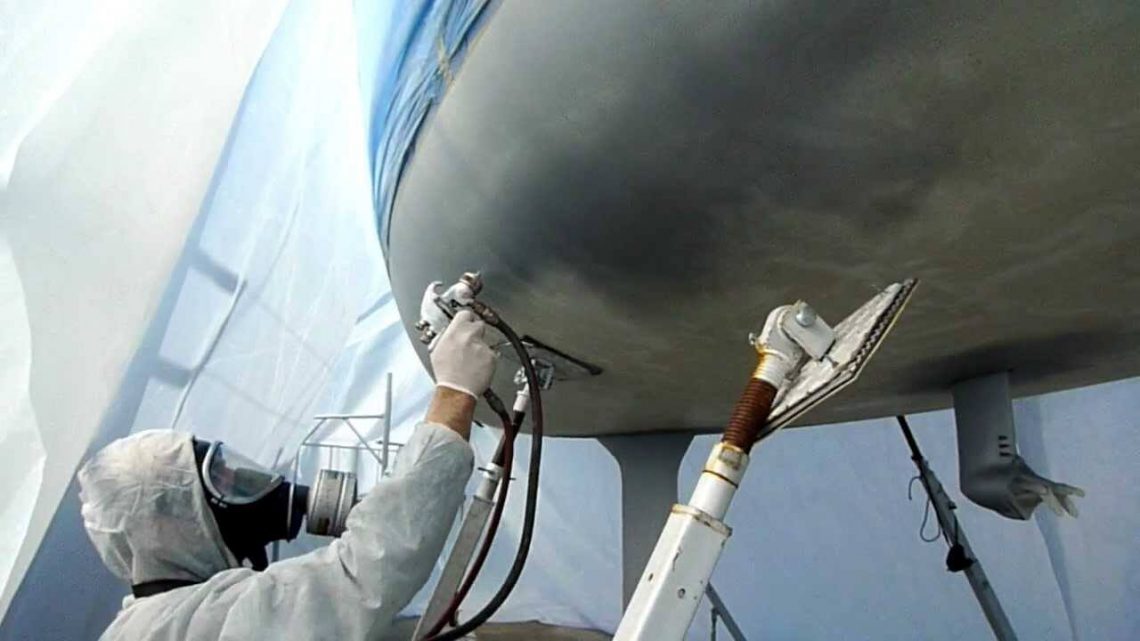
Boat Painting Gold Coast
May 22, 2020Boats are rugged, and although they don’t go out often, they get baked while in the sun, soak in the rain, and experience all sorts of harsh conditions. Most times, they are stored in docks and are exposed to animals and dense environments. Paints on boats are useful for defence against the conditions mentioned above.
Basics of How to Paint a Boat
- Set up in a spacious and airy area.
- Fix and repair grooves and cuts in the deck or hull.
- Remove dust and sand with care.
- Use a primer, if needed and resand.
- Apply finish paint with a roller and brush and assistance from another person.
- Allow the coats to dry off completely, then sand lightly for the next coat, getting at least two layers.
- Ensure you protect yourself and your surroundings.
You can paint your boat by yourself, but it is more advisable to hire experts for maximum efficiency. Spraytech Marine are boat painters that you can contact for this job.
Tips on How to Paint a boat
- 80 percent of the time spent painting a boat in preparation for the actual painting. For decks and topsides, the processes of shielding and draping are involved, followed by taping, sanding, dusting, re-taping and filling.
Other procedures include fairing, priming, new standing and further dusting. If your work surface is in average to excellent condition physically, less preparation will be required. For any procedure you skip during the preparation stage, it’ll cost you double during the painting stage and final finishing.
- Choose the appropriate environment. This implies keeping the boat covered under a shelter or shed if possible. If this is not feasible, shield your project with plastic or tarp sheets. Pick suitable weather to reduce the risk of rain, boatyard debris, dust and leaves. Avoid painting your boat when flies or gnats are around.
- Paint during the favourable time of the day. If you’re painting outside, paint during mid-morning to the late hours.
- Use your tape carefully. Masking your job the right way will go a long way in the success of your boat painting project. Some painters use 3M masking tapes, delicate line tapes or Scotchblue tapes which use natural rubber as adhesive and prevent sticking while removing it. Ensure you have a dry surface, free of oils, Grimes and solvents before taping.
- Go through the manual and carefully read the directions on the labels, cans, products websites and others. The manufacturers of these products have carefully considered how these products will be used. They are interested in giving your work and their products a good look.
- Sand carefully. While covering large areas, use random-orbital sanders. For smaller areas, palm sanders are used. However, the traditional elbow grease will be used for a few areas as well. Trim sanders will do better for cleats and windlasses, rather than hand sanding. Choose wisely.
- Use the sander and sandpaper to the best of their capacity. Don’t mount pressure on it, instead guide it slightly. Also, don’t be miserly with sandpaper. New sandpaper is good, but when it loses its power, cut it. Sandpaper is affordable.
- Get rid of all the dust. It’s easier to say this, especially if you’re working outside. However, it is an essential step for your painting job. Clean the surface with a heavy cloth to remove dust that clung to it after sanding and vacuuming. Then use a solvent and clean cloth and evaporate with acetone, spirits, denatured alcohol. Clean the surface again.
- Don’t spread paint over decks and topsides. In the end, you may not get a smooth and uniform look. This is applicable to warm weather and sunlight. Also, mark your boundaries with moveable references; pens, tape measures, and anything handy that will easily be seen.
- Don’t use paint directly from its original can. Use a small container and pour the quantity you’ll need to keep you busy before drying occurs. Continue stirring the amount poured out, and tightly cover the container.
- Pull your tape before setting. Your paint will set, and you wouldn’t want your tape below it after setting. Therefore, if you can’t use a razor blade, you may wreck the perfect lines you have struggled to get.